
Every Pakistani woman knows the moment. The new kurta is ready, the colour is perfect, and then you notice the border. It is too wide for the fabric, or too heavy for the season, or it stops halfway around the daman where the tailor ran out of thread. A border is only a strip of embroidery a few centimetres wide, yet it decides whether an outfit looks finished or half-done, because it frames everything else: the neckline above it, the sleeves beside it and the dupatta that hangs next to it. Get the border wrong and even the prettiest kurta looks like something is missing. Get it right and the simplest lawn suit looks deliberate, balanced and complete.
That is why border embroidery designs deserve more attention than they usually get. Most women choose their kurta by its print or its colour and treat the border as an afterthought, but the border is the part of the outfit that the eye follows from one end to the other. It is also the part that takes the most wear: it brushes against chairs, catches on bangles, drags across the floor when you sit, and goes through the wash more than any other embroidered area. These eight border embroidery designs for 2026 cover everything from a soft floral vine on an everyday lawn kurta to dense zardozi work for a wedding outfit, with the fabric, width and checking advice you need to take each one to a tailor or spot it in a ready-made piece.
What is border embroidery, and where does it go?
A border is a band of embroidery worked along an edge of a garment: the hem of a kurta, known as the daman; the edge of a dupatta; the cuff of a sleeve; the ankle of a trouser; or the pallu of a saree. Unlike a motif, which sits in one place, a border runs in a line, and that line has to stay even, unbroken and balanced for its whole length. A border that is beautiful for ten centimetres and careless for the next ten is a failed border, which is why the best karigars measure and mark the full length before a single stitch goes in.
Borders do three jobs at once. The first is finishing: a worked edge stops the fabric from looking raw and gives the garment a clear boundary. The second is balance: a border at the hem balances embroidery at the neckline, so the outfit feels weighted evenly from top to bottom. The third is connection: when one small element from the border is repeated on the sleeves or the trouser, the whole outfit feels like one design instead of three separate pieces. Keep these three jobs in mind as you read the designs below, because the right border is always the one that finishes, balances and connects your outfit, not the one with the most thread.
1. Floral vine border on the daman
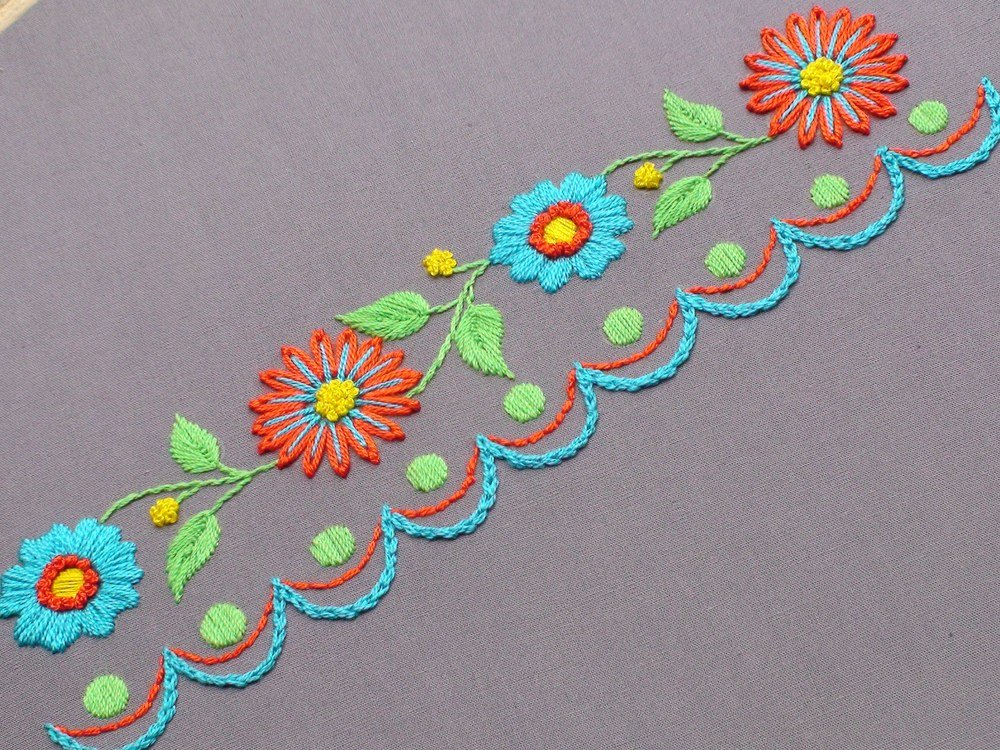
The floral vine border is the most wearable border on this list, and the one most Pakistani women already own in some form. Small flowers and trailing leaves follow the hem of the kurta in a band about four to six centimetres wide, usually in two thread colours with a third used only for the flower centres. On a pastel lawn kurta, tonal thread in a slightly deeper shade keeps the border soft enough for daytime, while on a deep green or maroon kameez, silver or antique gold thread gives the same vine a formal lift.
Ask your tailor to keep the vine inside its band and to let it stop cleanly at both side seams. A vine that creeps up the side slit looks like a mistake, and a border that ends mid-seam looks unfinished. The flowers should also be sized to the garment: large blooms suit a long, straight kameez, while small bootis suit a short kurta or a frock. If you plan to wear the kurta with a printed dupatta, keep the border in one solid colour taken from the print, so the two pieces sit together instead of competing. For neckline ideas that pair beautifully with this border, see our guide to neckline embroidery designs.
2. Gota patti border for dupattas
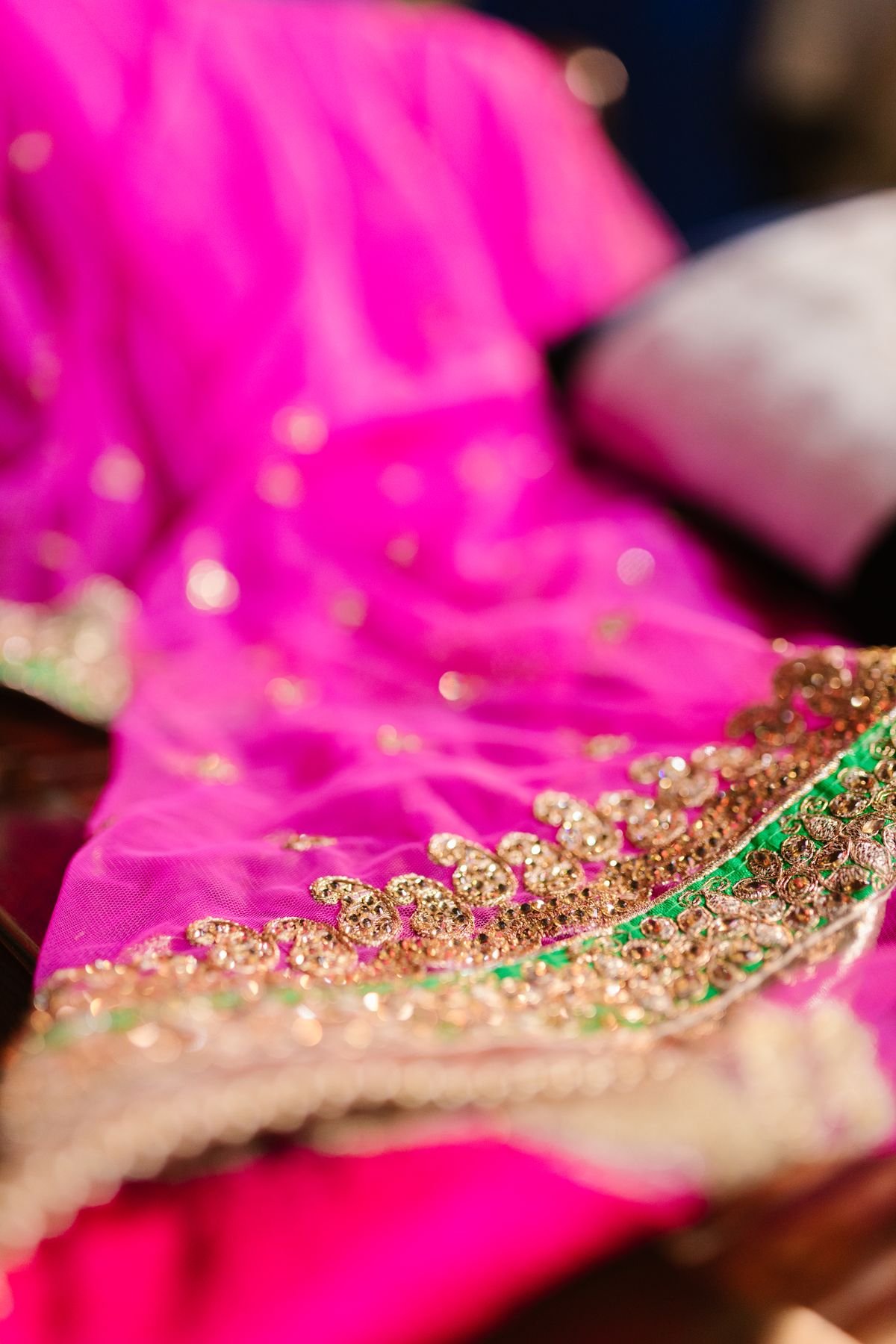
A gota patti border is the quickest way to turn a plain dupatta into a festive one. Small pieces of gold or silver ribbon are stitched along the edge in petal, leaf and diamond shapes, catching the light every time the dupatta moves. The work is light, flat and surprisingly strong, which is why it suits chiffon and organza dupattas that cannot carry heavy threadwork. A gota border in gold on a fuchsia, mustard or teal dupatta is a classic look for mehndi and mayoun, and it photographs beautifully in warm evening light.
The detail that matters most is how the gota is fixed. Pieces that are stitched down at every edge will survive washing and daily wear, while pieces held by a single stitch or by glue will lift, curl and fall off within a few wearings. Check the reverse side of the border before you approve it: neat, short thread ends and a clean facing mean the work was finished properly. Keep the gota border away from the part of the dupatta that rests on your shoulder if you wear it over your head, because the ribbon edges can catch on fine hair and on the embroidery of the kurta underneath.
3. Scalloped border with pearl and sequin edging
For festive and formal wear, a scalloped border edged with small pearls, sequins or fine naqshi turns a plain silk or organza outfit into an occasion outfit without any other embroidery at all. The scallops follow the hem or the dupatta edge, each curve outlined in metallic thread and finished with a single pearl or sequin at its point. The effect depends on regularity, so this is a border to judge by the sample, not by a photograph.
Check three things before you approve it. First, the scallops must be the same size along the whole length, including around the corners where the border turns. Second, the pearls must be stitched, not glued, if the outfit will ever be washed or dry-cleaned more than once. Third, the edge must be tested against your dupatta and your skin: sequins near the hem can catch fine chiffon, so many women keep the sequins small and let the pearls do most of the work. Worn with a plain kurta and a lightly worked dupatta, this border needs no other detail at all, which is exactly why it photographs so well at weddings.
4. Geometric and jaali border for kurtas
A geometric border built from diamonds, stepped squares, zigzags or a fine jaali lattice has a structured, slightly formal character that suits straight-cut kameezes and angharka-style fronts. It reads best in a single metallic or contrasting colour, because the pattern itself does the talking and extra colours only muddy it. Because the design repeats, it is also one of the most forgiving borders for machine embroidery, which makes it an affordable choice for everyday kurtas in cotton and khaddar.
Measure the border at the corners before the work begins. Corners are where geometric repeats fail: a motif cut in half by the corner looks like a mistake, while a motif centred on the corner looks deliberate. Your tailor should count the repeats along the front edge and adjust the spacing by a millimetre or two so both ends land whole. If the kameez has a neckline border as well, repeat one small element from the hem border there, so the outfit feels connected rather than assembled. This is also a good border for men’s kurtas, where a narrow geometric band on the hem and placket looks sharp without feeling decorated.
5. Zardozi and dabka border for festive outfits
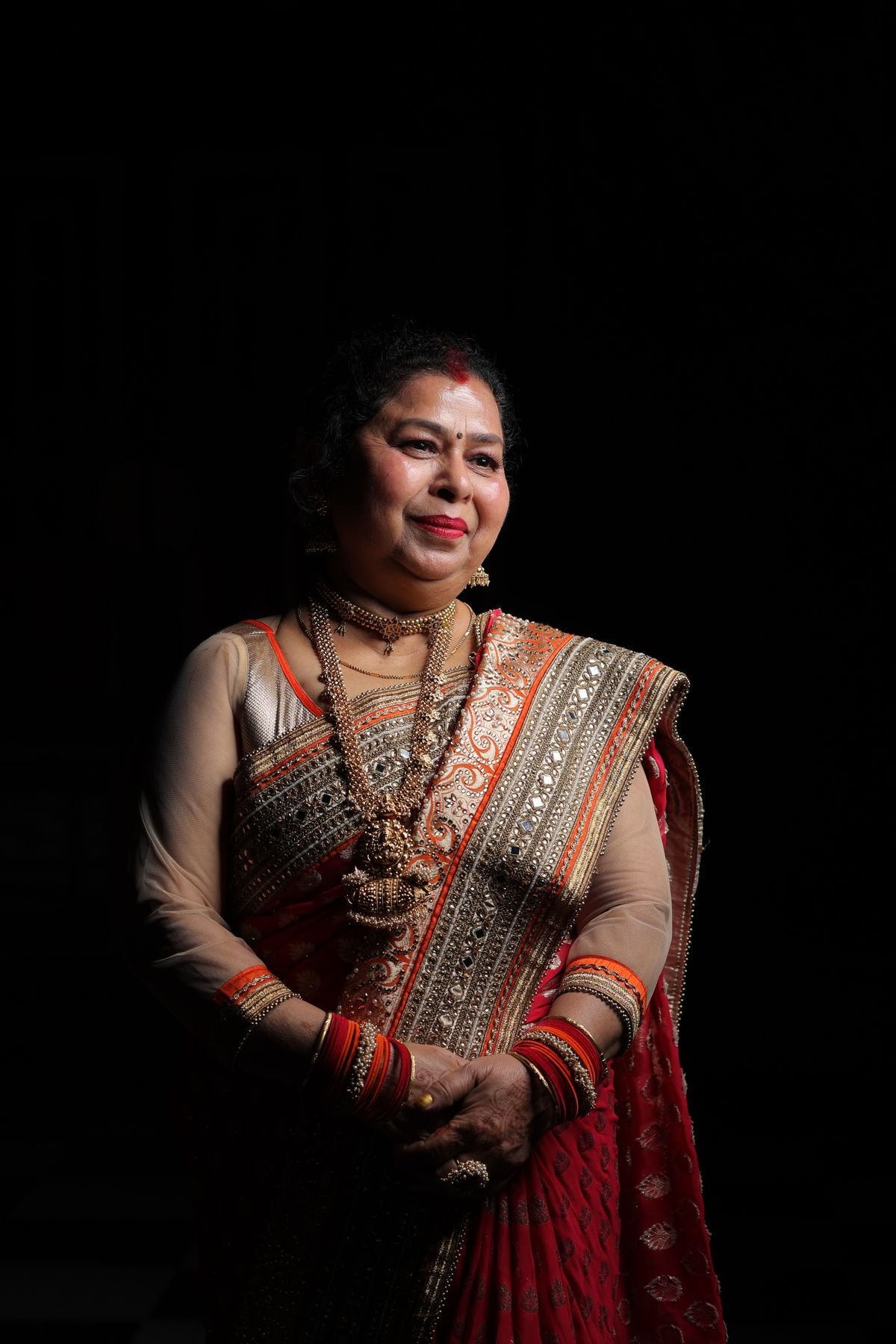
At the far end of the scale sits the festive zardozi border: dabka, naqshi, kora and sequins built up in metallic thread along the hem, the dupatta edge or the saree pallu, often five to eight centimetres deep. This is bridal and formal territory, usually on velvet, silk or tissue, and it replaces jewellery entirely. A deep zardozi border on a plain silk kameez is one of the most striking looks in Pakistani fashion, because the plain fabric above it makes the border look even richer by contrast.
Weight is the honest problem here. Metallic work along the hem pulls the front of the kameez down and can distort a light fabric within one wearing, so the garment needs a structured yoke and, on heavier pieces, a supporting inner layer. Always try this border sitting down as well as standing, with the dupatta arranged as you will wear it, and check that the metallic thread does not scratch your ankles or catch on your shoes. Because the work is expensive, agree the full price before the karigar begins, and ask to see a finished sample of the same density so you know exactly how heavy the finished piece will feel.
6. Mirror work border for a festive splash of colour
If your outfit needs colour and energy, a mirror work border is the liveliest choice on this list. Small mirrors stitched along the hem or dupatta edge catch the light every time you move, and when they are combined with a bright thread border in fuchsia, mustard or teal, the result is joyful without being loud. This style suits lawn and cotton for daytime functions and silk for evening ones, and it is a natural fit for mehndi, dholki and the second day of Eid, when the dress code is usually a little bolder.
The risk with mirror work is durability. Mirrors must be stitched, not glued, if the outfit will be washed more than once, and the edges of the mirrors should be covered with thread so they do not snag your dupatta or scratch your skin. Check the work by running a soft cloth along the border: if the cloth catches, your chiffon dupatta will catch too. Keep mirror work away from the underarms and the seat of the trouser, where constant movement loosens it fastest, and keep it off the part of the dupatta edge that you fold over your head.
7. Tilla and zari border for formal wear
A tilla or zari border, worked in fine gold or silver metallic thread, is the most formal everyday border you can choose. It is narrower than a zardozi border, usually two to four centimetres, and it relies on the shine of the thread rather than on raised work, which makes it lighter, flatter and easier to wear. On a white, cream or pastel kurta, a gold tilla border gives a quiet richness that suits walima dinners, formal daawats and office functions where you want to look dressed up without wearing a full festive outfit.
The fitting detail that matters most is the thread itself. Cheap metallic thread tarnishes, snaps and turns dull after a few washes, while good tilla keeps its shine for years. Ask your tailor which thread he is using, and ask to see a washed sample if the border is for an outfit you will wear often. Keep tilla borders on the outer edge of the design rather than the inner edge that touches your skin, because metallic thread can feel rough against the neck, wrists and ankles. Paired with a plain dupatta, this border lets one detail carry the whole outfit.
8. Two-tone contrasting border for everyday lawn
The simplest border on this list is also one of the smartest for everyday wear. A two-tone border uses a contrasting colour, or two colours, on a plain lawn or cotton kurta: a deep green border on a cream kurta, a rust border on a mustard kurta, or a navy border on a white one. The work can be as simple as a chain-stitch line with a row of small flowers, which keeps the cost low and the washing easy, and the contrast does the visual work that dense embroidery would do on a formal outfit.
This is the best border to choose when you want one kurta to work for many occasions, because a contrasting border looks intentional in a way that a plain hem does not, yet it never feels overdressed. The colour choice is everything: take the border colour from the dupatta or the trouser, not from a random thread card, so the outfit reads as one planned set. And keep the border narrow on short kurtas and wider on long ones, because a wide border on a short kurta eats up the length and makes the outfit look boxy. For ideas on the piece that sits below this border, read our guide to trouser embroidery designs.
How to choose the right border design for your outfit
Start with your own outfit rather than the design catalogue. A short kurta needs a narrow border, because a wide one eats the length. A long, straight kameez can carry a deep border of five to eight centimetres without looking crowded. If you wear a hijab or keep your dupatta over your head, the visible part of the dupatta border is only the edge that hangs free, so spend the embroidery budget there instead of spreading it along the edge that rests on your shoulder where nobody will see it.
Then decide by occasion. Everyday lawn and cotton suits suit designs one, four and eight: light, washable and quick to iron. Mehndi, mayoun and festive gatherings sit comfortably with the gota patti, mirror work and scalloped borders. Designs five and seven belong to weddings and formal evenings, where the outfit is worn for a few hours and cleaned professionally. Finally, match the border to the jewellery you already own. There is no sense paying for a pearl-edged border and then covering it with a long necklace that hides it; choose one of them to be the detail of the outfit, and let the other go.
Fabric and thread choices for border embroidery
The fabric underneath the border decides how the outfit feels and how long the work lasts, so choose it before you choose the design. Lawn and voile need light thread, open designs and a stabiliser behind the work, or the edge will pucker by the third wash. Cambric, cotton silk and khaddar carry medium-density borders comfortably and are the safest base for most of the designs above. Organza and net need the embroidery worked on a frame with even tension, and the reverse finished neatly, because the back of the work shows through. Velvet and silk belong to the evening, when their weight is no longer a burden and their richness suits the occasion.
For thread, resham gives a soft sheen and washes well, which is why it dominates everyday borders. Metallic tilla and zari look richer but can feel rough against the skin, so keep them on the outer edge of a border rather than the inner edge that touches your ankles or wrists. Gota ribbon is light and festive but needs stitching at every edge, and mirror work needs thread-covered edges to survive washing. Whatever the material, ask for a small stitched sample on your actual fabric and wash it once before the full piece is made. Thread that bleeds, tarnishes or puckers on the sample will do exactly the same on the finished border, only then it will be too late to change.
What to check before buying or commissioning border embroidery
Whether you are buying ready-made or sitting with a karigar, run the same checks. Look at the reverse side first: neat, short thread ends and a clean facing mean the work was finished properly, and they tell you more than the front does. Hold the garment up and look along the border; it should run straight and even for its whole length, with no point where the embroidery pulls the fabric into a wave. Check the corners and the joins, because that is where uneven spacing and cut-off motifs show up first. Try the outfit on and raise your arms, turn around and sit down. A border that is comfortable only while standing still in front of a mirror is not finished.
For a custom order, agree the design on paper at full size before the fabric is cut. Mark the width of the border, the exact point where it starts and ends, and the colour of every thread, and keep a photograph of that drawing with the agreed price and delivery date. Ask which parts are hand work and which are machine work, and pay for each accordingly; both have their place, but they should never be priced as each other. A good maker will welcome these questions, because they protect him as much as they protect you. For more ideas on the piece that frames this border, read our guide to dupatta embroidery designs.
How to care for embroidered borders
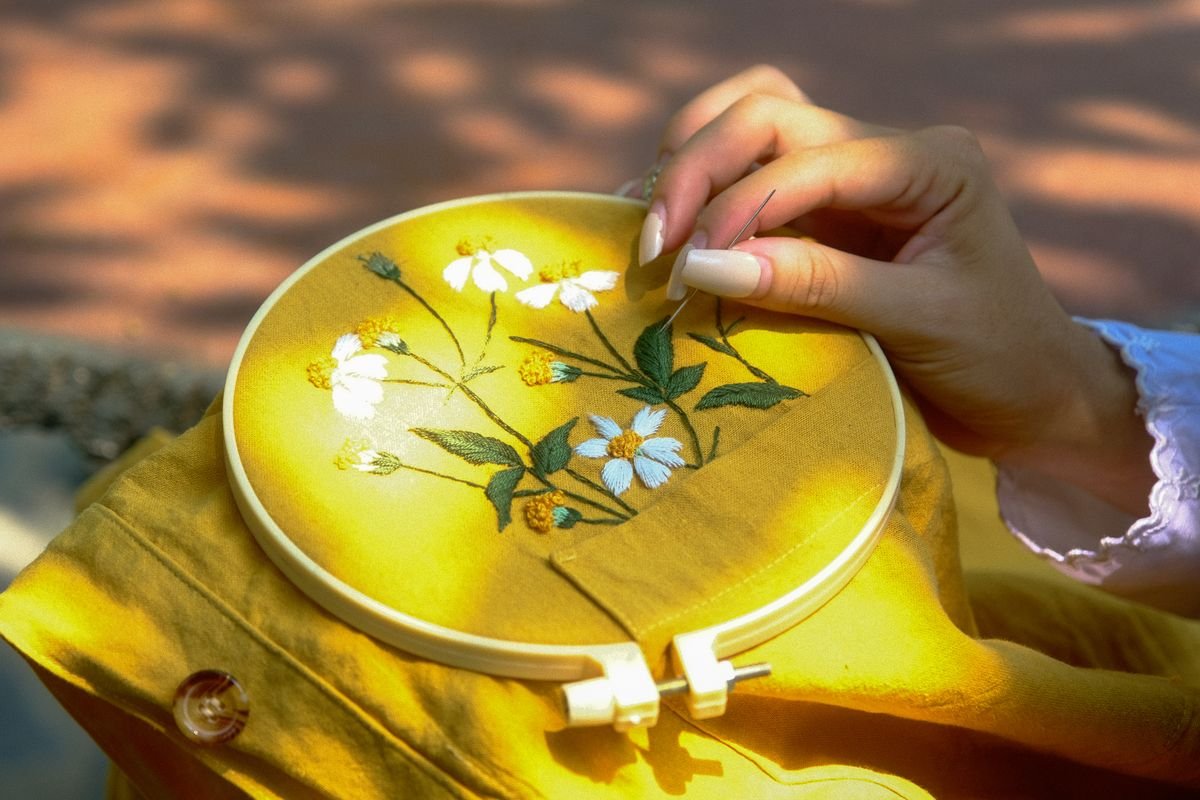
Most border damage happens in the wash and at the ironing board, not during wear, because the border is the edge that rubs against everything. Turn the garment inside out before washing so the embroidery faces away from other clothes, and keep borders with pearls, sequins, mirrors or metallic thread out of the machine altogether unless the care label says otherwise; gentle hand washing in cool water protects both the thread colour and the fabric around it. Never wring an embroidered border. Press the water out flat between towels, then dry the garment on a hanger so the hem keeps its shape.
Iron from the reverse side, over a soft cloth, and never press directly on raised work, pearls, mirrors or sequins. If a loop of thread lifts at the edge, do not pull it and do not cut it short; take it to a tailor, who can draw it through to the back and secure it in minutes. Store formal pieces with the borders unfolded where possible, because a hard fold through dense embroidery can crack metallic thread over time. Ten minutes of this care after each wear is what keeps a good border looking new for years.
Frequently asked questions
Which border embroidery design is best for everyday lawn kurtas?
A narrow floral vine border or a two-tone contrasting border in resham thread is the best choice for everyday lawn. Both are light, washable and comfortable, and they make a plain kurta look finished without adding weight or making ironing difficult.
Can border embroidery be added to a ready-made kurta?
Yes, in most cases. A tailor can add a floral, geometric or gota border to an existing hem or dupatta edge if the fabric is sound and there is access to the reverse side. Small borders and dupatta edges are the easiest additions; a deep zardozi border usually needs the garment to be opened and re-faced.
Which is better for borders, hand embroidery or machine embroidery?
Hand embroidery gives softer texture and is easier to place precisely around corners and curves, which is why it is preferred for formal and bridal borders. Machine embroidery is consistent, quicker and more affordable, and works well for repeated geometric borders and everyday kurtas. The right choice depends on the design, the fabric and your budget, not on one being universally better.
How wide should a border be on a kurta?
It depends on the length of the kurta and the occasion. Everyday lawn kurtas usually suit a border two to four centimetres wide, while long formal kameezes can carry five to eight centimetres. As a rule, the border should be wider on longer garments and narrower on short kurtas, so the proportions stay balanced.